
When I make gluten-free hamburger patties, I focus on creating a meal that’s both safe and satisfying, especially for those with gluten sensitivities. Lean ground beef provides high-quality protein, while a touch of potato starch replaces traditional binders without compromising texture. I always choose gluten-free Worcestershire to boost flavor. If you’re interested in a simple approach that doesn’t sacrifice taste or nutrition, let me walk you through my method and some useful preparation tips.

Ingredients
- 1 pound lean ground beef
- 2 tablespoons gluten-free Worcestershire sauce
- 1 tablespoon potato starch
- 1 teaspoon salt
- 1 teaspoon black pepper
Let’s take a moment to chat about these choices. First off, ground beef is the star here—lean beef keeps things juicy but not greasy, and nobody wants a burger that’s basically a slip-and-slide. Worcestershire sauce? Total flavor bomb, but double-check the label, because some brands sneak in gluten (how rude). Potato starch is the secret weapon for that tender, juicy bite—think of it as insurance for your dinner plans. Salt and black pepper are classic, but don’t be shy if you want to add a little garlic powder or onion powder. The burger police will not show up at your house. And if you’re feeling wild, swap out the beef for ground turkey or chicken—just keep an eye on the cook time, since leaner meats can dry out faster than you can say “where’s my ketchup?”
Steps
- Grab a large mixing bowl and toss in 1 pound of lean ground beef, 2 tablespoons of gluten-free Worcestershire sauce, 1 tablespoon of potato starch, 1 teaspoon of salt, and 1 teaspoon of black pepper. A stand mixer can make combining ingredients easier when you’re preparing larger batches, especially if you have a KitchenAid stand mixer.
- Roll up your sleeves and get your hands in there—mix everything together until it looks evenly combined. If you’re squeamish, a sturdy spoon works, but honestly, hands are the best tool for the job.
- Cover the bowl with plastic wrap (or a plate, if you’re fancy) and park it in the fridge. Let it chill for at least 30 minutes—up to four hours if you’re a patient person or just forget about it like I do.
- When you’re ready, take the mixture out of the fridge and divide it into patties. Make them as thick or thin as you want—just try to keep them the same size, unless you enjoy arguments over who got the monster burger.
- Preheat your grill to high heat—think 450° to 500°. If you’re using a stovetop, a grill pan or cast iron skillet works, but don’t tell your grill outside or it might get jealous. A quality premium pastry baking set also makes a great gift for the home cook who loves well-equipped kitchens.
- Place the patties on the grill. They’ll sizzle and smell amazing. Let them cook for about 3-4 minutes on one side—no pressing down unless you love dry burgers.
- Flip those patties. Cook for another 3-4 minutes on the other side. Give them a gentle poke in the center—if they spring back, you’re golden.
- Slide the burgers off the grill and let them rest for a couple minutes. This is the hardest step, but it’s worth it unless you like burning your mouth on molten beef.
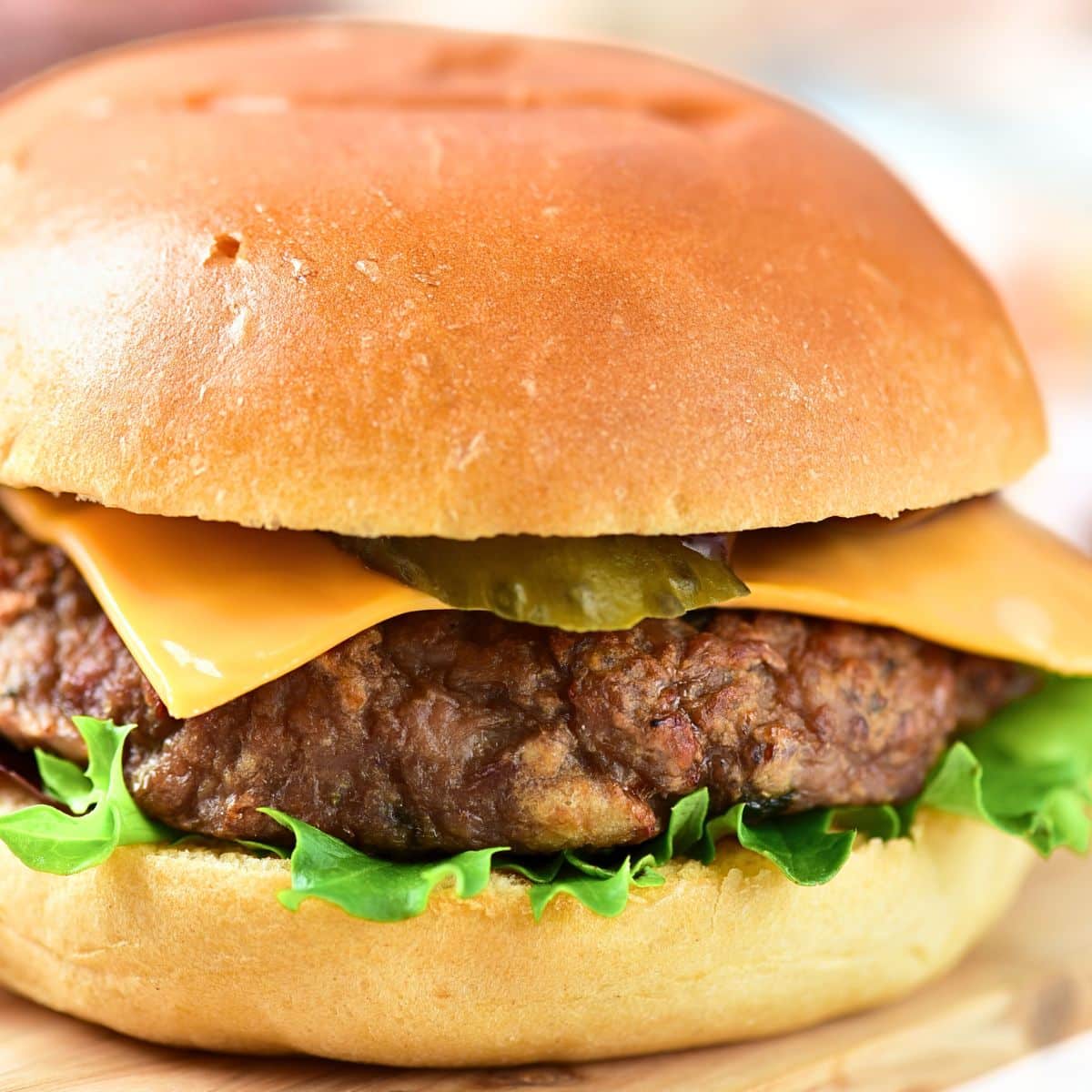
- Serve on your favorite gluten-free bun (or lettuce wrap, if you’re feeling extra virtuous) with whatever toppings make you happy. Smiles are optional, but highly encouraged.
Also consider using a luxury copper jam pan for making sauces or condiments to accompany your burgers, as copper cookware offers excellent heat conductivity.
Cooking Tips
Once you’ve got your patties prepped and ready for the grill, a few small tweaks can make a big difference in flavor and texture. I always press a slight dimple in the center of each hamburger patty (gluten free) to prevent puffing. Use a meat thermometer to ensure a safe internal temperature—160°F for beef. Avoid over-flipping, which helps the patty retain moisture and nutrients. For a flavorful vegetarian alternative, try a bulgur-and-chickpea patty topped with an avocado-garlic spread and cooked on medium heat for best results, especially when using bulgur and chickpeas. Consider topping your burger with a quick grilled fennel-and-onion mixture for a bright, caramelized finish grilled fennel and onions.
Final Thoughts
Why settle for store-bought patties when making your own gluten free hamburger is so straightforward and nutrient-conscious? By using lean ground beef, gluten free Worcestershire sauce, and potato starch, I can ensure a protein-rich, low-carb meal without questionable additives. Making them at home lets me control sodium and flavor. It’s a balanced approach that supports both taste and nutrition—an easy upgrade for any burger night.