
When I prepare a homemade no-yeast pizza, I rely on self-raising flour, 40 grams of butter, and grated cheddar to achieve a crust with a rustic, crumbly texture. Precision matters, from keeping the dough slightly lumpy and sticky to rolling it into an imperfect rectangle. With advanced layering—tomato sauce, onion, olives, and salami or tuna—each component matters. To ensure a crisp, golden finish, there’s a technique I always use before baking at 220°C.

Ingredients
- 2 cups self-raising flour
- 40 grams butter
- 3/4 cup grated cheddar cheese (or a mix of cheddar and parmesan—more cheese, more flavor, right?)
- 1/2 cup milk
- 1/2 cup tomatoes (just blitz them in the blender until they look like pizza sauce)
- 1 medium onion, chopped tiny—almost invisible, but still there, lurking
- 100 grams salami (or hey, swap in tuna if you’re feeling fancy or just out of salami)
- 1/2 cup diced black olives
- 1/4 cup parmesan cheese
- Salt, to taste
- 2 tablespoons tomato paste (mixed with those blended tomatoes for extra oomph)
When it comes to pizza, the ingredients list is sort of a choose-your-own-adventure situation. Want more cheese? Who’s stopping you. Only have regular flour? Add a bit of baking powder and cross your fingers. Prefer your pizza to be vegetarian? Ditch the salami, pile on some mushrooms, or whatever is hiding in your veggie drawer. The butter and cheese combo in the dough? Not exactly standard, but it makes things richer and, let’s be honest, it’ll probably make your kitchen smell like a pizzeria. One thing to keep in mind: this isn’t a super stretchy, Neapolitan-style dough—it’s more rustic, a bit crumbly, and honestly, that’s part of the charm. It’s forgiving, quick, and doesn’t judge you for not waiting on yeast to do its thing. So mix, match, improvise, and if you drop a bit of cheese on the floor, just call it a chef’s snack.
Steps
- Preheat your oven. You want it hot and ready, like a pizza pro. Grease your tray, then line it with foil—mysterious tradition, but hey, it works. Copper cookware conducts heat evenly and can influence baking results, so consider how your pans compare to a copper jam pan. Pressure cookers can save time when preparing certain dough components, so consider using a stainless steel pressure cooker for other recipes that benefit from fast steaming or cooking.
- Grab 40 grams of butter and 3/4 cup grated cheddar cheese (or your cheese medley) and toss them into a blender. Blitz for 30 seconds. It’ll look weird. That’s fine.
- Pour in 1/2 cup milk. Blend again for another 30 seconds. The dough will come together, kind of lumpy and sticky, but trust the process.
- Sprinkle self-raising flour—2 cups—onto a clean surface. Dump your dough out and knead gently until it’s shaped into a rough rectangle. Rustic is in style.
- Slide your dough rectangle onto the prepared tray. Pat it out with your hands until it’s about 1/2 inch thick. No need to measure, just eyeball it.
- Blend 1/2 cup tomatoes until saucy. Mix in 2 tablespoons of tomato paste for a thicker, more dramatic sauce. Spread it evenly over your dough, right to the edges.
- Scatter 1 medium onion (chopped super tiny) and 1/2 cup diced black olives across the sauce. Try not to eat all the olives before they make it to the pizza.
- Add 100 grams of salami (or swap in tuna, if you’re feeling wild or out of meat) on top. No judgment on the protein choices.
- Sprinkle the remaining cheese—1/4 cup parmesan and whatever other cheese is left—over everything. More cheese, more happiness, in my totally unbiased opinion.
- Add a little salt, just a pinch, to bring everything together, then pop the tray into your hot oven.
- Bake for 30 minutes. Your kitchen will smell like you’re living above a pizza parlor. Ignore any impatient family members.
- Check for golden cheese and a crisp base. If you like it extra crispy, leave it in a few minutes longer, but don’t get distracted—burnt pizza is a tragedy.
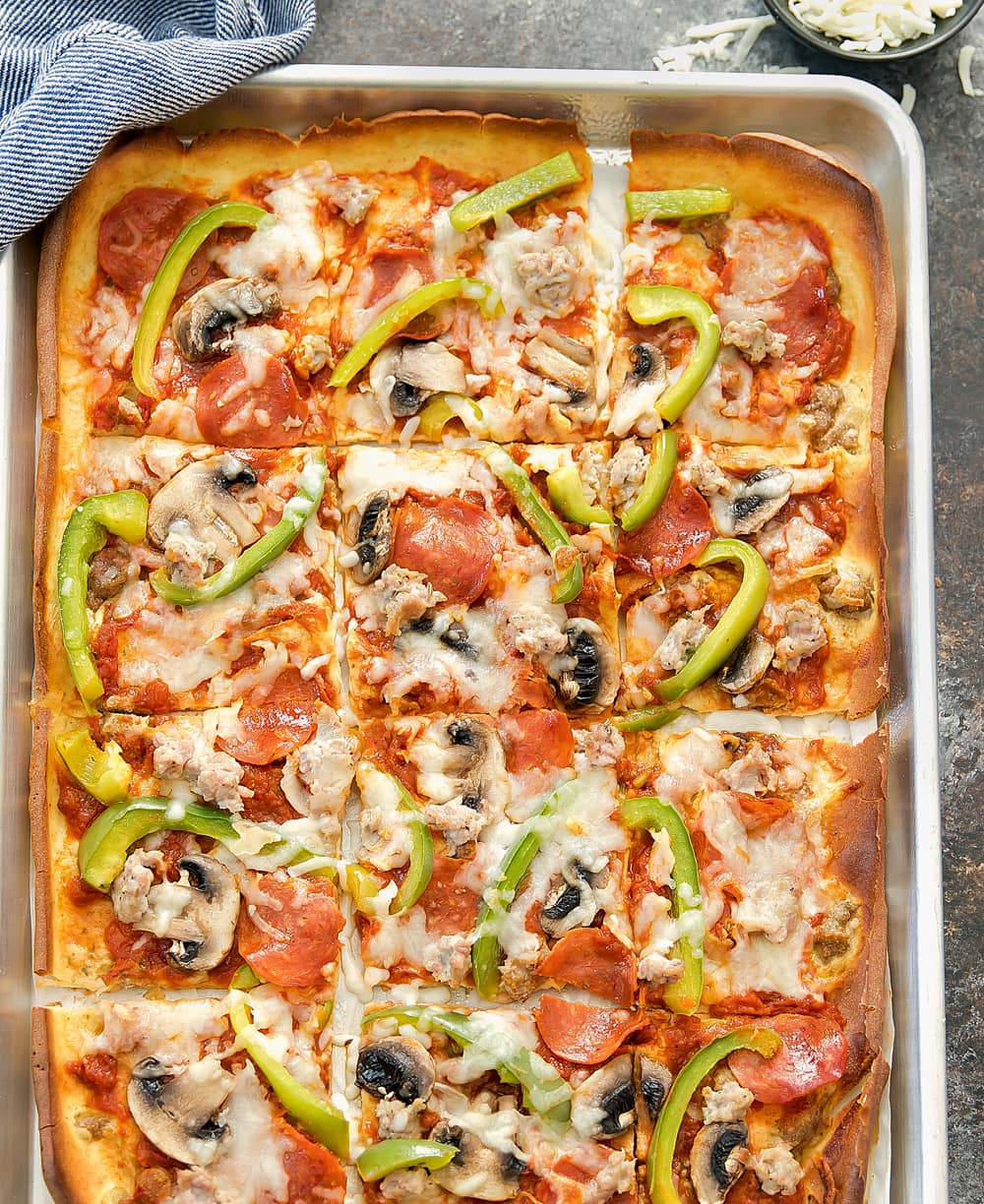
- Let it sit for a few minutes, even if everyone is hovering. Slice it up into squares or triangles. Eat. Smile. Maybe burn the roof of your mouth. Worth it.
Commercial tortilla presses are available for heavy-duty use and can speed up making flatbreads with consistent thickness, especially when preparing large batches for events or restaurants—consider commercial tortilla press options for efficient production.
Cooking Tips
Although the recipe is forgiving, precision elevates the final product. I recommend weighing 40g butter for uniform crumb, and using 2 cups self-raising flour exactly for prime dough rise in homemade pizza (no yeast). Blend butter and cheese thoroughly—30 seconds each—for a homogenous mixture. Preheat your oven to 220°C; a hot oven ensures a crisp base. Bake immediately after assembly to avoid soggy crust. While the dough can be made by hand, using a bread-machine dough setting simplifies the process and ensures consistent results. For best texture, consider chilling the assembled dough briefly to firm the butter and improve crust structure before baking.
Final Thoughts
Mastering the technical aspects of this no-yeast pizza recipe leads directly to consistent, satisfying results. Precise flour-to-liquid ratios, uniform kneading for gluten development, and accurate oven preheating at 220°C ensure optimum texture. I’ve found that incorporating 40 grams of butter yields a tender crumb, while blending cheeses at exact weights enhances flavor. Rely on these technical strategies for reliable, professional-quality homemade pizza every time.