
When I make peas & coconut subji, I’m drawn in by the aroma of mustard seeds popping in hot oil, mingling with the faint sharpness of fresh green chilies. The sweetness of peas and the creamy, delicate coconut create a dish that’s both comforting and vibrant. There’s something about that final garnish of coriander that ties it all together—yet, it’s the subtle layering of flavors that really sets this recipe apart. Here’s how I approach it.

Ingredients
- 3 tablespoons vegetable oil
- 1/2 teaspoon hing (asafoetida)
- 1/4 teaspoon mustard seeds
- 4 to 5 small green chilies
- 500 grams green peas, shelled (about 3 cups, if you’re as bad at eyeballing peas as I am)
- 1 teaspoon turmeric powder
- 2 teaspoons sugar
- 100 grams desiccated coconut (about 1 cup, or a generous handful if you “accidentally” pour too much)
- 5 to 6 black peppercorns
- 1 sprig coriander leaves, for garnish
- Salt, to taste
Now, before you go raiding your kitchen, let’s have a quick heart-to-heart about these ingredients. If you’re like me, you might stare at “hing” and wonder if it’s a rare Pokémon or something you forgot in the back of your spice cabinet. It’s actually asafoetida, and it brings this nutty, almost garlicky aroma that makes the whole thing sing. And let’s not even get started on green chilies—tiny but mighty, so adjust if you’re more “spice wimp” than “fire-breather.” As for the coconut, desiccated is the way to go for texture, but if you only have fresh, just toss it in and call it a day. Mustard seeds? Absolutely essential for that classic crackle—don’t skip unless you love regret. Oh, and coriander leaves? They’re basically the confetti at the end of this flavor party. The only serious rule: salt to taste. Always. Unless you enjoy bland sadness, then by all means, skip it.
Steps
- Pour 3 tablespoons vegetable oil into a wok and heat it up. Not screaming hot, but sizzle-ready. Use a premium ceviche knife set to trim any fibrous bits from fresh ingredients before cooking.
- Toss in 1/2 teaspoon hing (asafoetida) and 1/4 teaspoon mustard seeds. Wait for the mustard seeds to pop and dance. The hing is going to smell weird at first—just trust.
- Quickly add 4 to 5 small green chilies, whole or slit. The oil will spit a bit, so stand back unless you like spicy freckles.
- Saute for about 30 seconds. You’re looking for that green-chili aroma to hit you right in the nostrils.
- Tip in 500 grams green peas (shelled). That’s about 3 cups if you’re not in the mood for kitchen math. Give it a quick mix.
- Sprinkle in 1 teaspoon turmeric powder and 2 teaspoons sugar. Yes, sugar. Even if you’re not a “sweet peas” person, go for it. Trust me. Or don’t. Your call.
- Pour in 1 cup water. Stir everything together, making sure nothing’s stuck to the bottom. Just a little kitchen dance.
- Cover the wok and let the peas cook on medium heat. About 7-8 minutes, or until the peas are tender but not mooshy. Peek and stir if you’re nervous.
- Add salt to taste. This is your moment. Don’t overthink it, but don’t underthink it, either.
- Toss in 100 grams desiccated coconut (about 1 cup) and 5 to 6 black peppercorns. If you drop a peppercorn and it rolls under the fridge, that’s just fate.
- Stir everything so the coconut gets cozy with the peas. The coconut is going to soak up some of the liquid, making it less soupy and more, well, subji-ish.
- Sprinkle a sprig of coriander leaves on top. If you forgot to buy coriander, just pretend you meant to go minimalist.
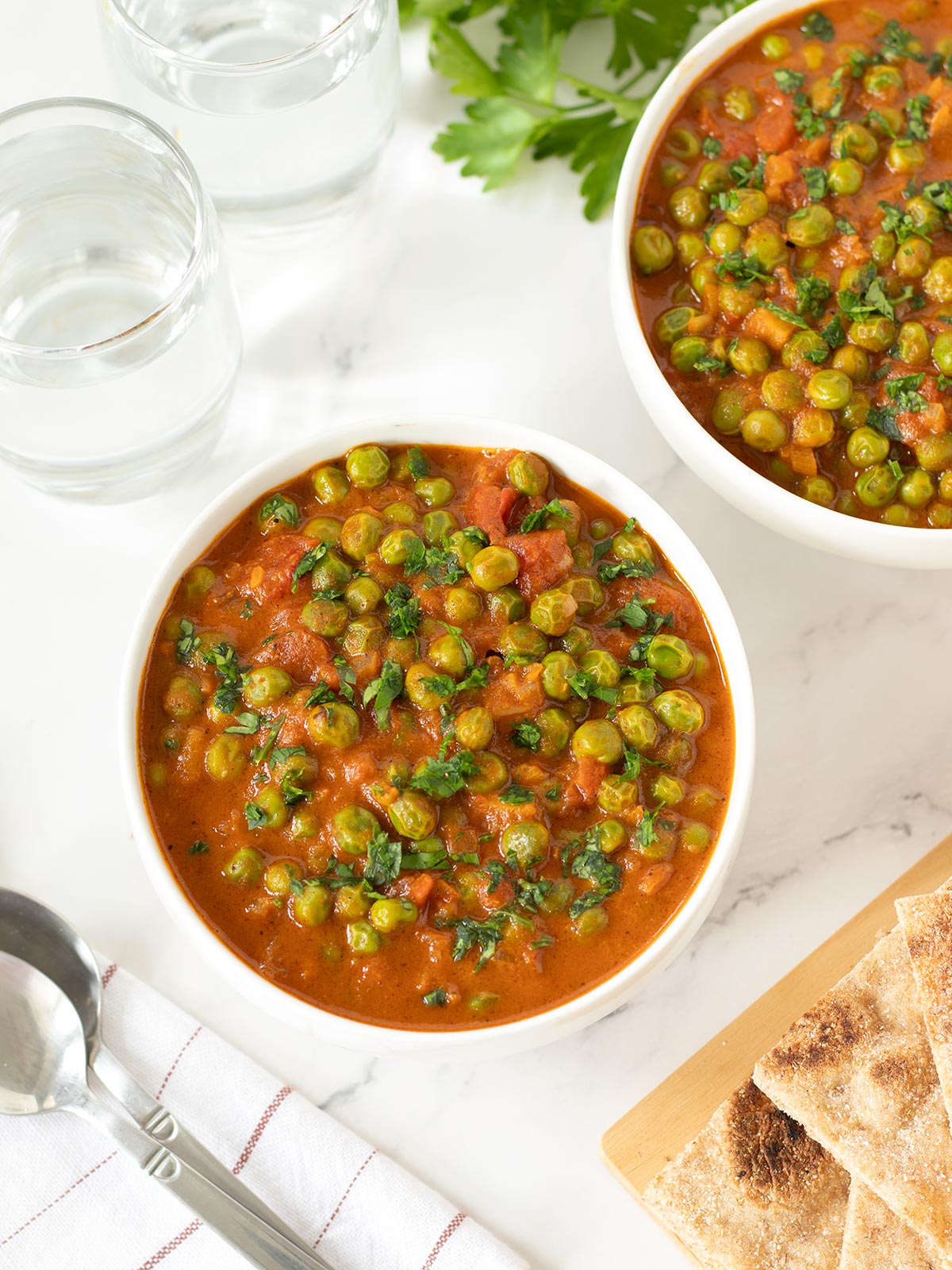
- Serve hot with puris or chappatis. Or toast. Or a spoon, honestly—no judgment.
- Pause. Admire your handiwork. Resist the urge to Instagram until after the first bite.
This recipe works great on an outdoor griddle when you want to cook outside and enjoy fresh flavors.
Cooking Tips
Ever wonder why some subjis taste flat while others burst with flavor? I always let the mustard seeds and hing sizzle until aromatic—they’re the secret to deepening the flavor base of peas & coconut subji. Don’t rush the sauté; let the peas turn tender but not mushy. Finally, fold in desiccated coconut at the end to preserve its sweet, nutty essence. A touch of butter and a light dusting of confectioners’ sugar can elevate presentation for special occasions and make the dish feel indulgent, much like heart-shaped French toast served as a romantic breakfast. For a weeknight-friendly option that still feels hearty, finish the dish with a splash of vegetable stock to meld flavors and add warmth. Try adding a few coffee ice cubes to a glass on the side for a chilled, slightly bitter contrast that complements the coconut sweetness.
Final Thoughts
How often do we come across a dish that balances warmth, sweetness, and gentle spice so effortlessly? Peas & Coconut Subji envelops the senses with its aromatic hing, the pop of mustard seeds, and the creamy coconut melding into tender peas. Each bite delivers vibrant flavors and soothing textures. I encourage you to savor this comforting, rustic classic with warm puris or pillowy chapatis.