
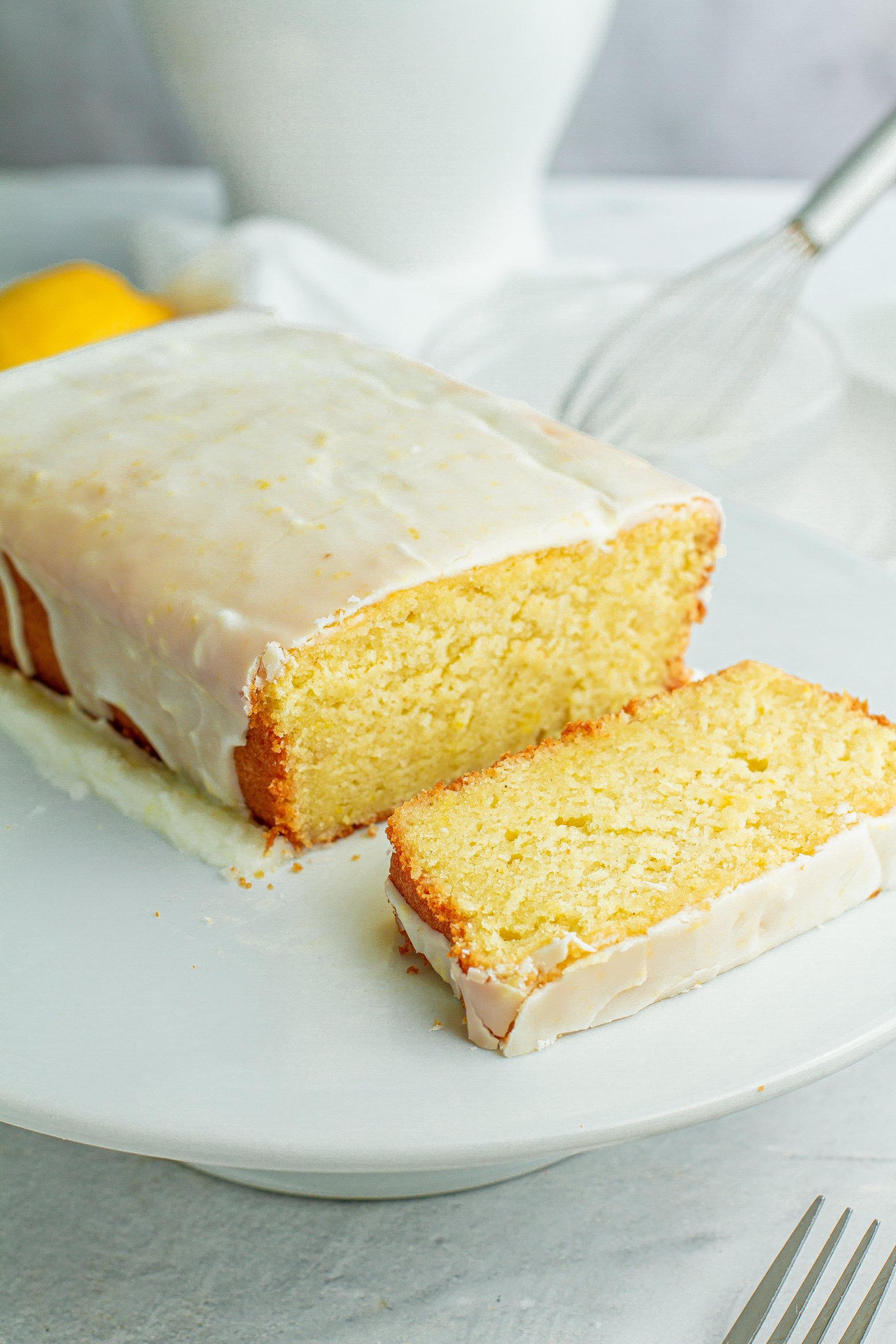
When I bake a small pound cake, I rely on exact ratios and careful mixing to ensure a perfect crumb. There’s something rewarding about combining simple ingredients—room-temperature butter, sugar, eggs, and flour—with patience and precision. I always start by creaming butter and sugar until fluffy, then add eggs one at a time. The real difference comes with how I incorporate the dry ingredients and milk. If you want a cake that’s tender and even, keep going.
Ingredients
- 1 cup butter (that’s two sticks, so you don’t have to do any complicated butter math)
- 2 cups sugar (yes, it sounds like a lot, but it’s a pound cake, not a salad)
- 4 eggs (large ones, preferably, because tiny eggs are just a tease)
- 2 cups plain flour (sifted before measuring, because cake drama is real)
- 1 teaspoon baking powder (the quiet hero that helps the cake rise)
- 1 (6 ounce) can evaporated milk (not sweetened condensed, trust me, that’s a different animal)
- 1 teaspoon vanilla extract (the good stuff, if you can swing it)
Now, before you start tossing everything into a bowl like some kind of kitchen tornado, a couple of things are worth mentioning. Room temperature actually matters here. I know, it’s annoying to wait for butter to soften when you’re hungry or impatient or both (aren’t we all?), but cold ingredients just won’t blend the right way. The eggs, too—don’t skip letting them warm up a bit on the counter. Your cake will thank you, even if your schedule doesn’t. And when it comes to the flour, sifting is not just Grandma’s old-timey trick, it really does help the cake turn out lighter, so don’t skip it unless you love a brick-like pound cake. Last little soapbox moment: go for real vanilla extract if you can, because imitation vanilla has about as much flavor as a wet paper towel.
Steps
- Take a deep breath and let all your ingredients—1 cup butter, 2 cups sugar, 4 eggs, 2 cups flour, 1 teaspoon baking powder, 1 (6-ounce) can evaporated milk, and 1 teaspoon vanilla—hang out at room temperature. Yes, even the stubborn eggs. No cheating with the microwave unless you like weirdly textured cake. A luxury copper jam pan can provide excellent, even heat when preserving jams if you choose to make a companion spread for the cake. Many home bakers find using a programmable bread maker for proofing and temperature control can simplify other baking tasks.
- Cream 1 cup butter with 2 cups sugar in a large bowl. Grab an electric mixer if you have one, and beat the living daylights out of them until the mixture looks pale and fluffy. Don’t rush this part; it’s basically the foundation of your cake’s personality.
- Crack in 4 eggs, one at a time, beating well after each one. Avoid the temptation to toss them in all at once. The batter should look glossy and smooth, kind of like cake batter in a TV commercial, but chunkier.
- Sift 2 cups plain flour, then measure it (yes, in that order). Stir in 1 teaspoon baking powder. This is the not-so-secret weapon against pound cake that could double as a doorstop.
- Add dry ingredients to the butter mixture, alternating with the whole 6-ounce can of evaporated milk. Start and end with the flour. Do this in batches: a little flour, a little milk, repeat. Lightly fold everything in with a spatula. No need to go all Hulk—gentle is the name of the game. Overmixing is the enemy.
- Stir in 1 teaspoon vanilla extract. Savor the smell for just a second. Your kitchen is already winning.
- Grease and flour a small tube or bundt pan. Don’t skimp, or you’ll be prying out cake chunks with a spoon, and nobody wants that sad scene.
- Pour your batter into the pan. Try to resist the urge to eat the batter straight. Smooth the top a little, just to make it feel loved.
- Bake at 325 degrees Fahrenheit for 1 hour and 10 minutes. Don’t open the oven to “check”—the cake doesn’t like surprises.
- Let the cake cool in the pan for 15 minutes. Use this time to practice patience or question all your life choices.
- Invert the cake onto a wire rack. If it comes out in one piece, congratulate yourself quietly. If not, call it “rustic” and move on.
- Wait until the next day for the flavors to mellow. Or eat it right away. Mellowing is for people with willpower.
For clean, precise slices and easy serving, consider using a premium ceviche knife set when cutting and presenting your pound cake.

Cooking Tips
Ever wonder why pound cake sometimes turns out dense or dry? For a small pound cake, I always ensure all ingredients reach room temperature—this helps them blend seamlessly. Cream butter and sugar until truly fluffy; don’t rush this step. When combining flour, sift first and fold gently to avoid overmixing. Bake at a steady 325°F, and let the cake rest before inverting for perfect texture. Also, for a refreshing contrast, try serving slices with a side of creamy kani salad to add both texture and flavor. Toasting the rice first adds a savory, nutty note and helps create browned instant rice that enhances simple side dishes.
Final Thoughts
Consistency in method leads to reliable results, and that’s what this small pound cake recipe offers. By ensuring each ingredient reaches room temperature and following the specific mixing order, I achieve a uniform crumb and balanced flavor. Careful folding of sifted flour prevents overmixing, while precise bake time guarantees a golden crust. If you wait until the next day, the texture and taste fully develop.